With the start of 2026 comes a new era of website design, driven by immersive interactions, personalization, and an AI-crafted user experience. These emerging trends have transformed digital aesthetics and functionality, focusing on generative design systems, emotionally responsive interfaces, and creating a calming user experience. Understanding how these trends have changed the way brands communicate with their audiences and remain relevant in an ever-changing digital landscape is key to a successful new year.
AI’s Personalization of the User Experience
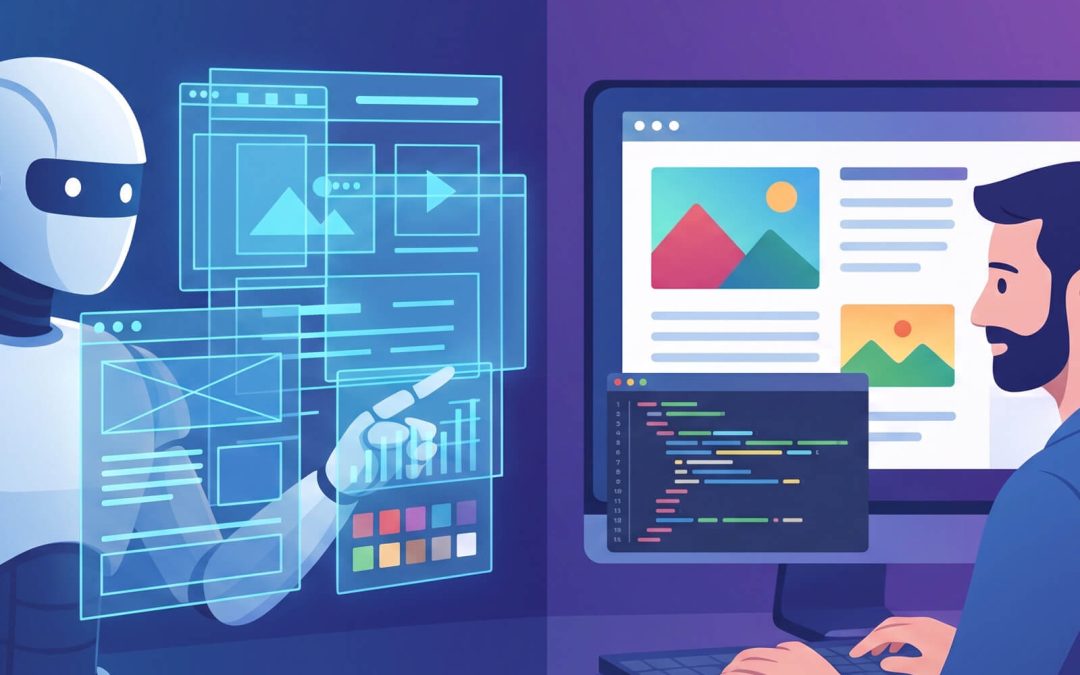
With advancements in AI, interfaces are now being created to be personalized, allowing users to have an experience unique to them. It also provides a dynamic adaptation, taking into account the user’s preferences, location, and even their emotions to create relevant content, recommendations, and a layout that suits the user.
AI can also predict an individual’s needs before they even describe them, with predictive text in the search bar as an example. The ability to stir the emotions of the user is possible with AI interfaces by utilizing sentiment analysis, translating to a digital experience that demonstrates true understanding.
Immersive Experiences with Spatial Design
No longer is the digital experience limited. It now intermingles with the physical world. Websites are now integrating spatial design by adding 3D models and graphics that give a realistic touch. With this added depth to the digital content, users can interact in a whole new way, including Augmented Reality (AR) or Virtual Reality (VR), using natural human movements.
Sustainably-Focused Web Design
A web design focused on sustainability considers how the environment is impacted by practices that minimize its carbon footprint. In user experience design, websites can be made more efficient, reducing the time users spend searching by simplifying tasks. Additionally, the amount of data required for the site to run properly may also be reduced. Easy navigation and loading times not only enhance the user’s experience but are also environmentally friendly.
Micro-Interactions and Emotionally Evoking Design
Even the little details matter to the user’s emotional experience. Some of these small things include:
- Positive feedback that may include little animations or a cheerful response
- Clear guidance through each step with animations
- Specific colors, images, and typography to connect emotionally with the user
- An emotional user connection with a product/service where interactions are intuitive, resulting in a memorable experience
Creating a Calm User Experience
Rather than an interface being visually calming, the idea behind a calm user experience is how an individual interacts with it. Its main goal is to promote clear guidance, removing doubt and confusion as much as possible. This is carried out in several ways, including:
- Giving the user fewer options and little information initially to prevent them from becoming overwhelmed with too much information
- The ability to undo actions in the event that a mistake was made
- Using kind language that gently guides or informs the user in a friendly tone
- Utilizing a layout that is familiar and easy to navigate
The “calm UX” trend is on the rise for good reason. Instead of overwhelming the user with lots of information, demanding language, and confusing layouts, a calm user experience helps individuals feel clarity, control, and confidence.
Stay Ahead in a Dynamic Digital Landscape with Arca Interactive
Website design changes in the new year are driven by intuitive, human-centered experiences. With the help of AI and virtual reality, website designers can create a meaningful and impactful digital product.
Arca Interactive can help your business stay ahead by utilizing web design trends that personalize the user experience and improve how you communicate online. Our services are designed to give your business a competitive edge in a digital landscape that is always changing.
Contact us to discover how we can help you start the new year a step ahead.